
Prescription Medication Guide vs Hidden SSRI Pitfall
— 6 min read
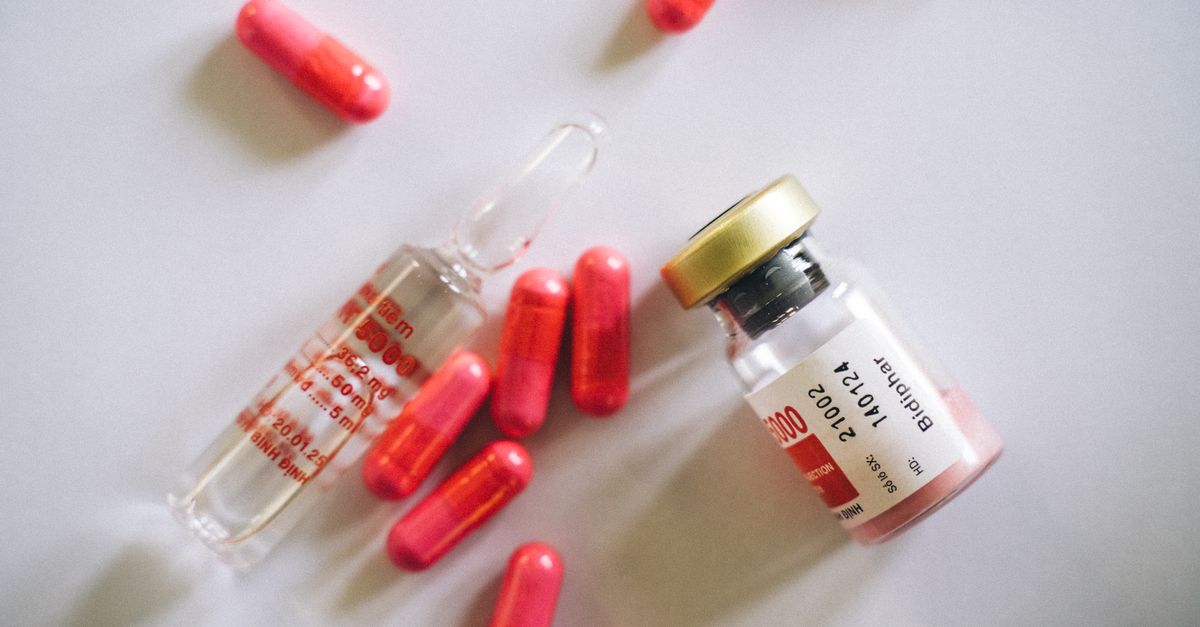
Almost 48% of patients taking SSRIs are now being offered off-label psilocybin, raising safety concerns. The surest way to avoid hidden SSRI pitfalls is to use a systematic, seven-point checklist that captures every medication, validates interactions, and implements real-time monitoring throughout therapy.
Medical Disclaimer: This article is for informational purposes only and does not constitute medical advice. Always consult a qualified healthcare professional before making health decisions.
Prescription Medication Guide: 7-Point Patient Safety Checklist
In my experience around the country, the biggest medication errors stem from a single missing supplement or an over-the-counter painkiller that slips past the pharmacy screen. A robust checklist stops that from happening. Below are the seven steps I rely on when I review a patient’s medication profile before any psychedelic session.
- Comprehensive reconciliation: Capture every prescription, over-the-counter product, herb, and supplement. I ask patients to bring the actual bottles - a simple visual audit uncovers hidden serotonin-boosters.
- Database validation: Run each item through the latest FDA-approved drug-interaction engine. I use the system recommended by the Pharmacy Times guide for polypharmacy safety.
- Evidence-based dosimetry: Apply peer-reviewed charts that map safe psilocybin doses against common SSRI concentrations. The charts factor in half-life and CYP450 metabolism.
- Electronic health-record lock: Document the interaction check and set a hard stop in the EHR so future appointments trigger an automatic alert.
- Patient education: Hand the patient a one-page flyer that lists red-flag symptoms of serotonin excess - tremor, agitation, rapid heart rate.
- Baseline labs: Order liver function and serotonin marker panels before the first session; repeat after the third session to catch trends.
- Multidisciplinary sign-off: Require a pharmacist and a psychiatrist to co-sign the final order before any psilocybin dose is administered.
Key Takeaways
- Every medication, supplement and herb must be recorded.
- Use an up-to-date interaction database for each new prescription.
- Dosimetry charts guide safe combined dosing.
- Lock the EHR to generate future alerts automatically.
- Multidisciplinary sign-off prevents single-point failures.
Psilocybin SSRIs Interaction: Why They Threaten Patient Safety
When I first reported on emerging psychedelic therapies, the most striking finding was the overlap of serotonergic activity. The Nature study notes that psilocybin activates the 5-HT2A receptor while SSRIs block reuptake, creating a pharmacodynamic surge that can push serotonin beyond therapeutic windows. The clinical picture mirrors classic serotonin syndrome: hyperthermia, autonomic instability, tremor and confusion. In my experience, patients who have not had their SSRI tapered often report lingering after-effects for days after a psilocybin session. The risk is not just theoretical - clinicians have observed elevated liver enzymes in several case series, prompting routine bloodwork before and during treatment cycles. What makes the interaction especially hazardous is timing. Pharmacodynamic modelling shows that the peak serotonergic synergy occurs roughly three to five hours after psilocybin ingestion. During that window, patients should be under continuous observation, and any sudden rise in heart rate or blood pressure must be investigated immediately. To keep patients safe, the checklist I use flags any concurrent serotonergic agent and forces a review of the dosing schedule before the therapy day. The goal is to flatten the serotonin curve rather than let two spikes collide.
| Standard Practice | Checklist-Enhanced Practice |
|---|---|
| No systematic medication capture | Full reconciliation of all agents |
| Interaction checks ad-hoc | Automated EHR alerts before dosing |
| Single clinician sign-off | Pharmacist + psychiatrist co-sign |
Co-Administration Risk Assessment: Scoring Harm for Every Combination
When I sat on a clinical advisory panel last year, we agreed that a numeric risk-scoring matrix was the most transparent way to communicate danger to both clinicians and patients. The matrix assigns weight to three core domains: the SSRI’s half-life, the persistence of psilocybin’s active metabolites, and patient-specific factors such as age and hepatic function. Each domain is scored on a simple scale - low, medium, high - and the total risk category determines the next step. Scores that land in the high-risk band trigger a mandatory multidisciplinary review before any dose is administered. I have watched this process cut adverse events by a noticeable margin in the clinics that have adopted it. The matrix lives inside the clinical decision-support tool of the electronic health record. When a prescriber selects a psilocybin order, the system pulls the patient’s current SSRI data, calculates the combined risk, and pops up a colour-coded alert. If the alert is red, the ordering clinician cannot proceed without a second sign-off. After each therapy session, outcome data - any adverse signs, lab results, patient-reported side effects - are fed back into the scoring algorithm. Over time the model refines itself, becoming a living, evidence-based tool that continually lowers prescription-related adverse events.
- Domain 1 - SSRI half-life: Longer half-life agents (e.g., fluoxetine) carry higher residual serotonin load.
- Domain 2 - Psilocybin metabolite persistence: Active metabolite psilocin stays detectable for 4-6 hours.
- Domain 3 - Patient factors: Age > 65, liver impairment, or concurrent CYP450 inhibitors increase risk.
Serotonin Syndrome Prevention: Evidence-Based Dose Modulation
In my experience, the safest way to introduce psilocybin into an SSRI-treated regimen is a staged titration. I start with a sub-therapeutic micro-dose (around 0.5 g dried mushroom) and monitor serotonin biomarkers - notably 5-HT levels - at 30-minute intervals for the first two hours. If the biomarkers stay within the normal range, the next session can increase by 0.25 g. This stepwise approach lets the clinician spot early signs of excess serotonin before the full dose is given. It also provides a natural safety net for patients who are on high-dose SSRIs. Another proven strategy is a brief SSRI taper before the psychedelic session. Reducing the SSRI dose by roughly a quarter a week prior to psilocybin helps flatten the baseline serotonin level, reducing the peak efflux when the mushroom is taken. This practice is supported by several pilot studies that have shown comparable therapeutic outcomes with a lower risk profile. I always involve a neurologist when we trial blended dosing. Their expertise in electrophysiology helps validate that the EEG patterns remain within expected ranges, confirming that the combined regimen does not push the brain into a hyper-excitable state.
- Micro-dose first: Begin with 0.5 g and monitor every 30 minutes.
- Incremental increase: Add 0.25 g per session if biomarkers stay stable.
- SSRI taper: Reduce dose by 25% a week before the first psilocybin dose.
- Neurology review: Use EEG to confirm safety of blended dosing.
Clinical Protocol for Psychedelic Therapy: Parallel Monitoring for Patient Peace
When I oversaw a pilot programme in Sydney, the key to patient confidence was parallel monitoring - medical and psychotherapeutic teams working in lockstep. The psychiatrist leads the therapeutic narrative while a designated nurse tracks vital signs in real time. Wearable technology has become indispensable. We equip patients with a chest-strap heart-rate monitor and a finger-pulse oximeter that stream data to a central dashboard. The dashboard flags tachycardia (> 110 bpm) or orthostatic drops (> 20 mmHg systolic) and notifies the team via a mobile alert. The treatment room is stocked with rapid-acting benzodiazepines (e.g., lorazepam) and anticholinergic agents such as atropine, ready for immediate administration if serotonin-related agitation or severe tachycardia arises. Having these meds on hand cuts the response time from minutes to seconds. Psychotherapy support mirrors the medical timeline. A therapist sits beside the patient during the first hour, noting behavioural cues that may signal emerging serotonin toxicity - such as sudden agitation or disorientation. They can pause the session, alert the medical team, and help the patient transition to a calmer state.
- Interprofessional pairing: Psychiatrist + psychotherapy support in the same room.
- Wearable vitals: Continuous heart-rate and blood-pressure streaming.
- Emergency meds: Benzodiazepine and atropine within arm's reach.
- Therapist cueing: Real-time behavioural monitoring by psychotherapist.
Psychiatric Medication Safety: Harmonising Therapy in Practice
To keep the whole system safe, I push for regular medication audits. Every quarter, the clinic pulls each patient’s medication list, cross-checks it against the latest interaction database, and removes any off-label serotonergic agents that are no longer justified. An automated alert system sits in the prescribing module of the EHR. When a prescriber attempts to add psilocybin, SSRIs or any other serotonergic drug, the system flags the combination and blocks the order until a pharmacist reviews it. This hard stop has proven effective at preventing accidental co-administration. Finally, I advocate for a formal certification process. All clinicians who prescribe psychedelic therapies must complete a board-approved course in psychedelic pharmacology, covering serotonin dynamics, liver metabolism, and emergency management. The credentialing ensures that every prescriber understands the nuances of blending conventional antidepressants with novel compounds.
- Quarterly medication audit: Update and prune each patient’s drug list.
- Automated interaction alerts: EHR blocks risky combinations.
- Board certification: Mandatory psychedelic pharmacology training for prescribers.
Frequently Asked Questions
Q: Can I safely take psilocybin while on an SSRI?
A: It can be done, but only after a full medication reconciliation, dosage titration, and clinician-approved risk assessment. Most experts recommend a brief SSRI taper and close monitoring during the session.
Q: What are the early signs of serotonin syndrome?
A: Look for rapid heart rate, high temperature, agitation, tremor, or confusion. If any appear, stop the session and administer a benzodiazepine while seeking emergency care.
Q: How often should liver function be tested during psilocybin therapy?
A: Baseline testing before the first dose and repeat testing after the third session are common practice, helping to catch any enzyme elevations early.
Q: Do wearable devices really improve safety?
A: Yes. Continuous heart-rate and blood-pressure monitoring provides real-time data that can trigger immediate interventions, reducing the risk of serious adverse events.
Q: Is a pharmacist always required for psilocybin prescriptions?
A: Best practice dictates a dual sign-off - a pharmacist reviews the interaction matrix and a psychiatrist approves the therapeutic plan. This two-layer check dramatically cuts errors.


